Research Applications Cagrilintide has been employed in the following laboratory research contexts : Obesity and Metabolic Research: In vitro assays and rodent models examining amylin-receptor pharmacology , energy homeostasis , and adipose tissue signaling Glycemic Control Models: Studies of post-prandial glucose dynamics and glucagon secretion in pancreatic islet and hepatocyte systems Combination-Peptide Research: Exploratory studies assessing synergistic or comparative effects with incretin peptides, including GLP-1 receptor agonists Feeding-Behavior Studies: Assessment of meal patterns, appetite-related hormones, and hypothalamic gene expression in controlled feeding assays Pharmacokinetics and Formulation Development: Analytical validation of extended half-life , peptide stability , and delivery-vehicle performance Institutions that order cagrilintide peptide commonly use it for mechanistic and comparative research rather than therapeutic evaluation
A 23% increase in its prevalence has been observed in 2021 compared to that observed over the past ten years
average 20-22% body weight loss Weekly subcutaneous injection with gradual dose escalation over 4-5 months Without monitoring, up to 40% of weight lost can be muscle, not fat Best outcomes require structured nutrition, resistance training, and body composition tracking HOW GLP-1 MEDICATIONS WORK GLP-1 receptor agonists aren't diet pills
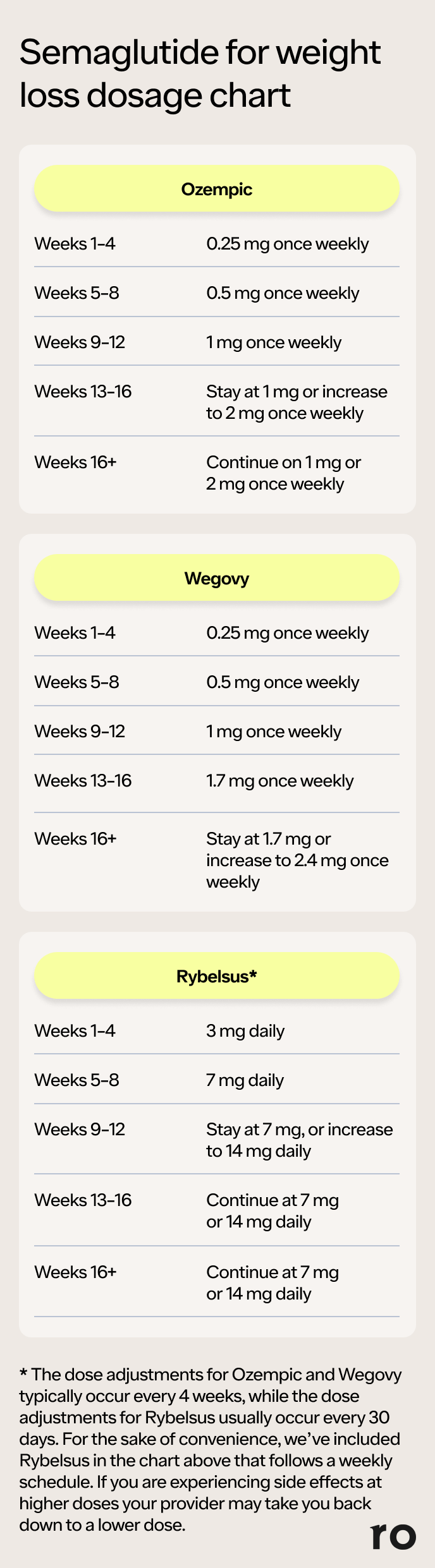
Over the nine-week trial, participants taking semaglutide started at a dose of 0.25 mg per week, which gradually increased to 1.0 mg in the final week a much lower dose than whats typically prescribed for weight loss
Nomenclature and classification of adenosine receptorsan update